Smiley Piercing: Healing, Jewelry and What to Know First
 Anna van Dijk
A smiley piercing, also known as a lip frenulum piercing, is an oral piercing placed through the thin piece of tissue that connects the upper lip to the gum.
This small fold of tissue is called the labial frenulum.
The main feature of this piercing is that it stays mostly hidden when the mouth is relaxed and becomes visible when you smile. That is why it can look discreet at first glance, but still create a noticeable accent with the right jewelry.
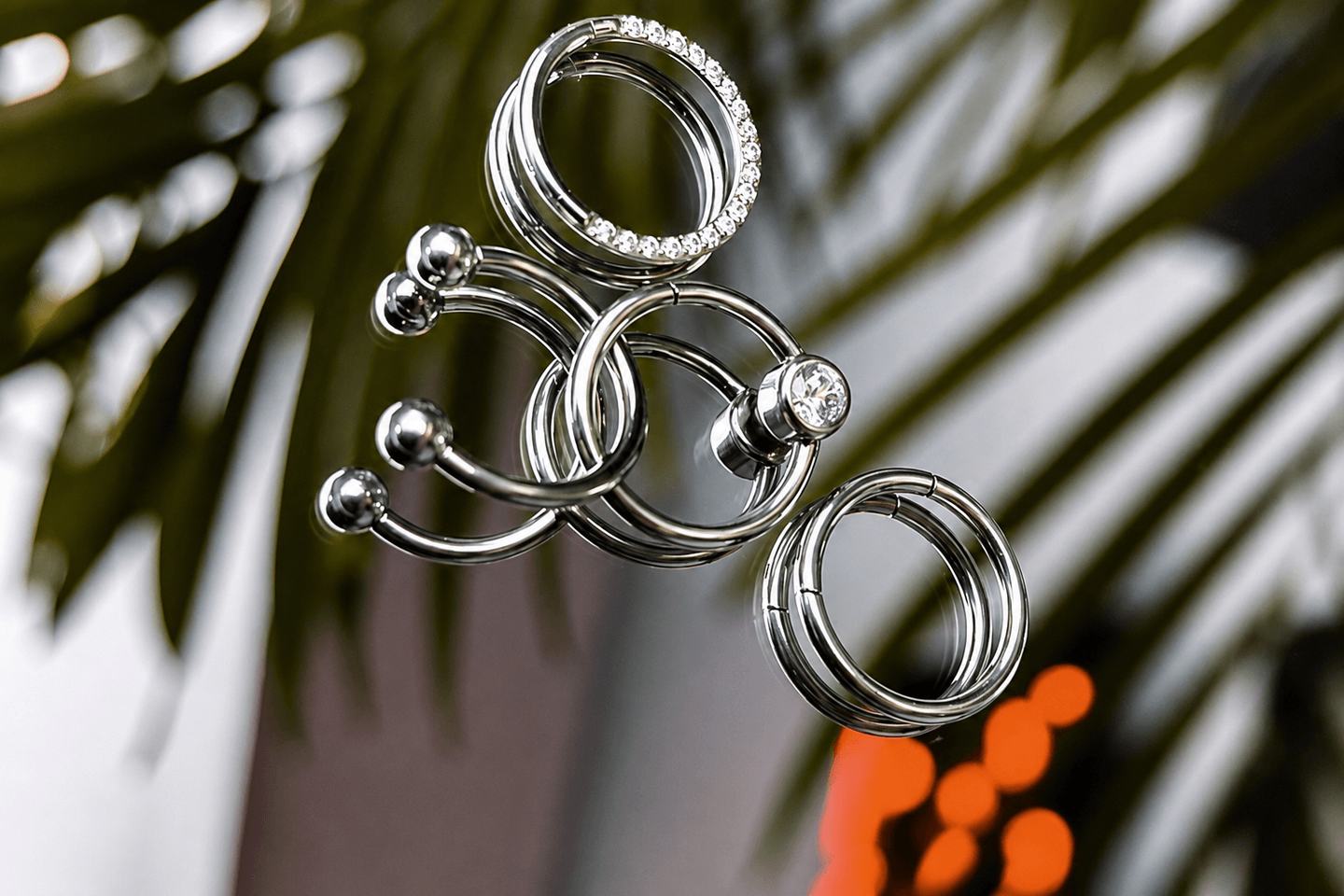
People often choose this type of piercing because it is small, unusual and easy to personalize. Depending on the jewelry, it can look delicate, playful or more expressive. Small rings, circular barbells and decorative beads are among the most common options, but the final choice should always depend on your anatomy and the recommendation of a professional piercer.
Since this placement is inside the mouth, suitability should be checked before the procedure. If the frenulum is too thin, too small or positioned in a way that creates pressure, another type of oral piercing may be safer.

 Create a sketch in the VEAN TATTOO AI generator
What to Check Before Choosing This Piercing
A smiley piercing can look discreet and expressive, but it is not suitable for everyone and requires careful anatomical evaluation before placement.
The main question is whether the upper lip frenulum is strong enough to hold jewelry without causing discomfort during everyday movement.
This type of oral piercing may not be recommended if you wear braces, have gum disease, oral infections, very sensitive gums or a frenulum that is too small or too thin. In these cases, jewelry can create pressure, rub against soft tissue or feel uncomfortable when speaking, eating or smiling.
The main advantages are:
- the jewelry stays hidden when the mouth is relaxed;
- it becomes visible only when you smile;
- it creates a small but noticeable accent;
- it works well with minimal jewelry;
- it can be personalized after healing;
- it is not constantly visible in everyday situations.
The look is important, but comfort should come first. If your anatomy is not suitable, it is better to choose another oral piercing than force a placement that may cause irritation, sensitivity or other problems later.


Smiley Piercing Jewelry: Rings, Barbells and Safe Materials
Jewelry choice matters not only for style, but also for comfort.
Because the piercing sits close to the gums and teeth, oral piercing jewelry should be lightweight, smooth and properly sized for your anatomy.
Common options include:
- small seamless rings;
- captive bead rings;
- circular barbells;
- horseshoe-shaped jewelry;
- rings with decorative beads;
- minimal rings without visible decoration.
A smiley piercing ring is one of the most popular options because it becomes visible when you smile and can look either subtle or more decorative. For the first jewelry, a piercer will usually recommend a simple and comfortable design rather than a heavy or oversized piece.
Materials are also important. Titanium, high-quality gold and suitable medical-grade steel are commonly used because they are more comfortable for sensitive tissue and reduce the risk of irritation. Jewelry with sharp edges, poor polishing or low-quality coating should be avoided, especially during healing.
After the tissue has healed, you can change the style, but the size and shape still need to be chosen carefully. For better gum safety, jewelry should not press into the tissue or sit too tightly against the teeth. If the piece constantly rubs while speaking, eating or smiling, the teeth contact risk becomes higher and the jewelry should be checked by a piercer.
How the Piercer Performs the Placement
Before the procedure, the piercer checks the upper lip frenulum to make sure the tissue is suitable for jewelry.
Compared with many other oral piercings, a smiley piercing depends especially on the shape, size and strength of this small area.
After the check, the area is cleaned, sterile single-use tools are prepared, and the jewelry is selected according to the size and position of the frenulum. The piercer gently lifts the upper lip to access the tissue, makes the puncture with a sterile needle and inserts the jewelry immediately after.
The procedure is usually quick and takes about 10-15 minutes. The sensation can feel sharp for a few seconds because the frenulum is thin and sensitive. Mild swelling, tenderness or slight bleeding may appear right after the procedure, which is why aftercare instructions should be followed from the first day.


Smiley Piercing Healing Process: What Happens After the Procedure
The smiley piercing healing process starts immediately after the jewelry is placed.
During the first hours, the frenulum may feel sensitive, slightly swollen or tender. Minor bleeding can also happen, especially if the tissue was very delicate, but these reactions should gradually calm down.
The average smiley piercing healing time is about 1 to 4 months. The exact period depends on your anatomy, jewelry material, oral hygiene and how carefully you follow aftercare instructions. Healing can take longer if the jewelry causes friction, if the area is irritated by food, or if you touch the piercing too often with your tongue or fingers.
If you are wondering how long does a smiley piercing take to heal, it is important to remember that the surface may feel better before the tissue is fully stable. Do not change the jewelry too early, even if the piercing looks calm. A professional piercer can check whether the frenulum has healed enough for jewelry replacement.
During healing, pay attention to changes in swelling, smell, discharge or pain. If discomfort becomes stronger instead of improving, the piercing should be checked as soon as possible.


Smiley Piercing Aftercare: How to Clean It Safely
Proper smiley piercing aftercare is mainly about keeping the mouth clean without irritating the fresh puncture.
Because the jewelry sits inside the mouth, the area is exposed to food, drinks, bacteria and movement throughout the day.
If you want to know how to clean a smiley piercing, use gentle and regular care. Rinse your mouth after meals with an alcohol-free antibacterial mouthwash or a saline solution recommended by your piercer. Avoid alcohol-based rinses, strong whitening toothpaste and harsh products while the tissue is healing.
Daily care usually includes:
- rinsing your mouth after eating;
- brushing your teeth carefully without hitting the jewelry;
- avoiding touching the jewelry with fingers or tongue;
- not playing with the ring while speaking or smiling;
- avoiding smoking, alcohol, spicy and acidic foods during the early stage;
- not changing the jewelry before a piercer confirms it is safe.
Cleaning should not be aggressive. Too much movement, constant checking or strong products can irritate the frenulum instead of helping it recover. If swelling, pain, pus, bad smell, continuous bleeding or redness gets worse, ask a professional piercer or doctor to check the piercing.


Why Professional Placement Matters
This piercing is placed inside the mouth, so the piercer’s skill directly affects comfort and safety.
The main goal is to make the right decision before the procedure: choose safe jewelry, prepare sterile tools and avoid a placement that may cause problems afterward.
Professional placement helps lower the risk of:
- jewelry migration or rejection;
- irritation of the gums or upper lip;
- tooth enamel damage from constant friction;
- swelling caused by poor placement;
- an infected smiley piercing due to non-sterile tools or incorrect aftercare;
- discomfort from jewelry that is too large, heavy or poorly polished.
A reliable piercer will also explain how to clean the piercing, when to come for a check-up and when it is safe to change the jewelry. If the frenulum is not suitable, a professional should tell you honestly and suggest a safer alternative instead of forcing the procedure.

FAQ
- How Long Does a Smiley Piercing Take to Heal?
- A smiley piercing usually takes about 1 to 4 months to heal. The exact timing depends on your anatomy, jewelry material, oral hygiene and how carefully you follow aftercare instructions.
- How Should You Clean It After the Procedure?
- Rinse your mouth after meals with an alcohol-free antibacterial mouthwash or a saline solution recommended by your piercer. Brush your teeth carefully and avoid touching the jewelry with your fingers or tongue.
- Can This Piercing Damage Teeth or Gums?
- Yes, it can happen if the jewelry is too large, too heavy or constantly rubs against the teeth and gums. Proper placement, lightweight jewelry and regular check-ups help reduce this risk.
- What Are the Signs of an Infected Smiley Piercing?
- Warning signs include increasing swelling, persistent pain, pus, unpleasant smell, redness or bleeding that does not stop. If these symptoms appear, ask a professional piercer or doctor to check the piercing.
- When Can You Change the Jewelry?
- Jewelry should be changed only after the tissue has healed and a piercer confirms that it is safe. Changing it too early can irritate the frenulum and slow down healing.
- How Long Do Smiley Piercings Last?
- Some people wear this piercing for years, while others remove it earlier because of gum sensitivity, jewelry discomfort or anatomy. Its lifespan depends on placement, jewelry choice, oral hygiene and how often the piece touches the teeth or gums.


Before You Decide
This piercing may look small, but it should not be chosen only by appearance.
Comfort, safe jewelry, hygiene habits and professional placement all matter before the procedure is done.
If you are not sure whether this placement is suitable for you, it is better to start with a consultation. A professional piercer can explain possible risks, help choose safe jewelry and tell you what to expect during healing.
At VEAN TATTOO, the goal is not just to make the piercing look good, but to make sure it is placed safely and feels comfortable in everyday life.